Beatles Viva Las Vegas!
Sin City meets the Beatles

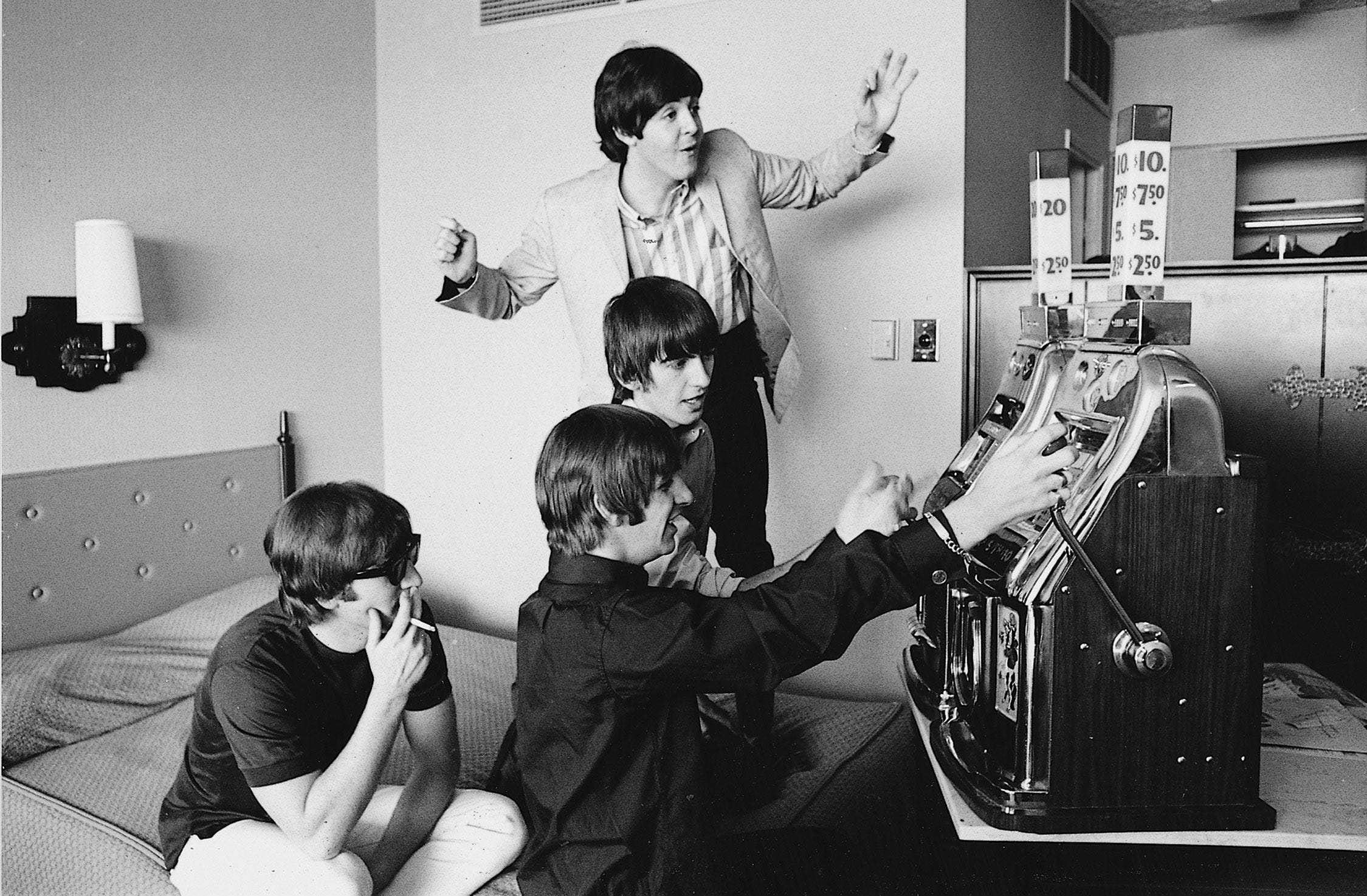
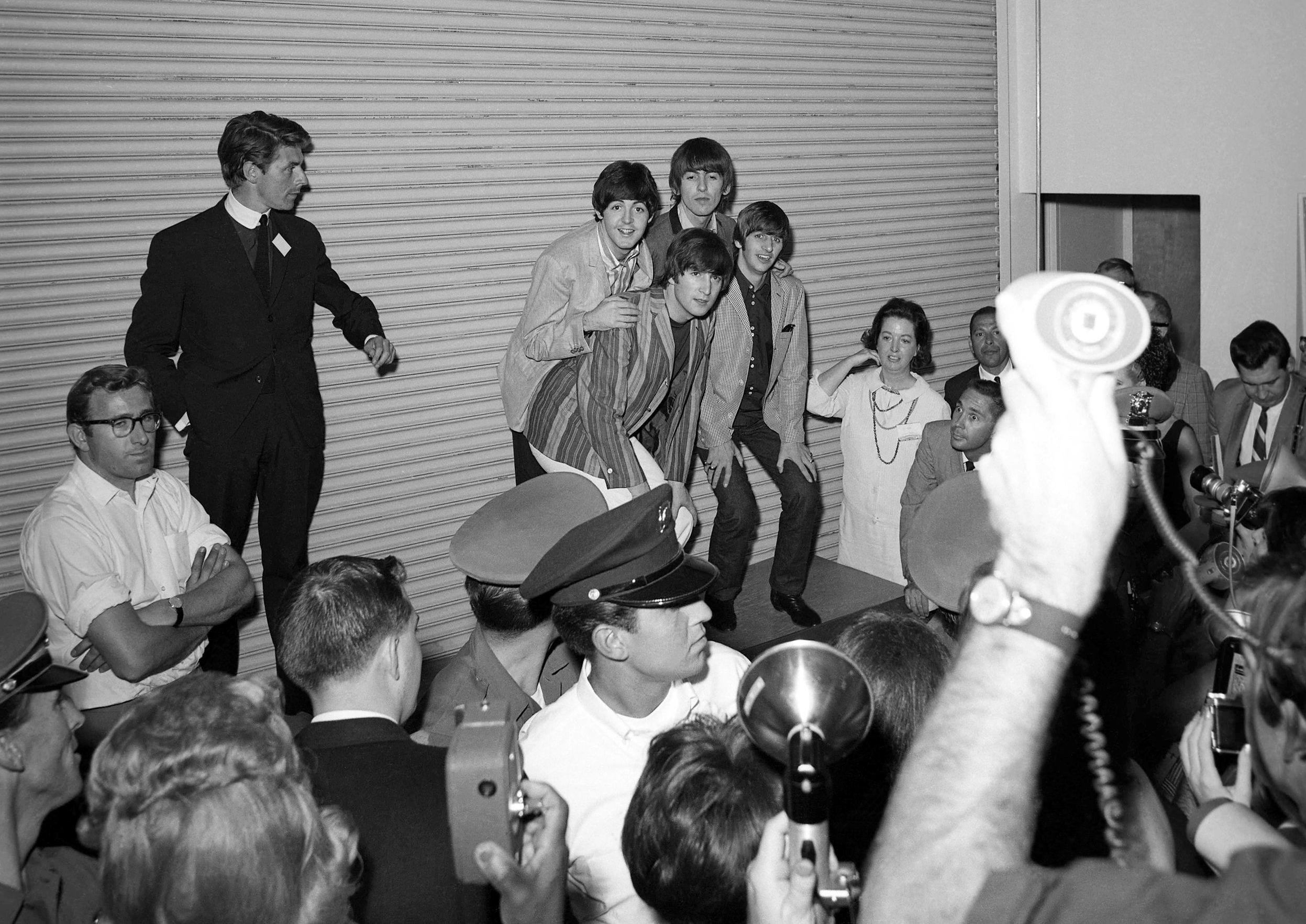
I’ve always been fascinated by the Beatles’ visit to Las Vegas in August 1964 during their first full tour of the U.S. and Canada. Why? For one, it was by far the smallest city on a packed schedule that included 23 others in just 34 days. Just as importantly, Las Vegas itself was still in its early stages of becoming one of the world’s premier entertainment destinations. In 1964, Vegas was a playground for adults—and the Mob—not for acne-faced teenagers swooning over long-haired singers from England. And yet, their visit—and pair of concerts—left an indelible impression.
In 2014, I was invited by the Las Vegas Convention and Visitors Authority to give a talk marking the 50th anniversary of those shows. It took place at the new Convention Center, just a few feet from where the original stage once stood before it was demolished in 1991 to make way for the current facility.
Las Vegas has never been particularly sentimental about its past—implosion in the name of progress is practically a tradition—so it felt somewhat unusual to be speaking to a room full of invited guests and press. But on that occasion, Las Vegas made an exception—and decided this was a moment worth remembering. The LVCVA even installed a permanent plaque at the site to commemorate the Beatles’ visit and performances.
Fifty years earlier, that moment was far from certain.
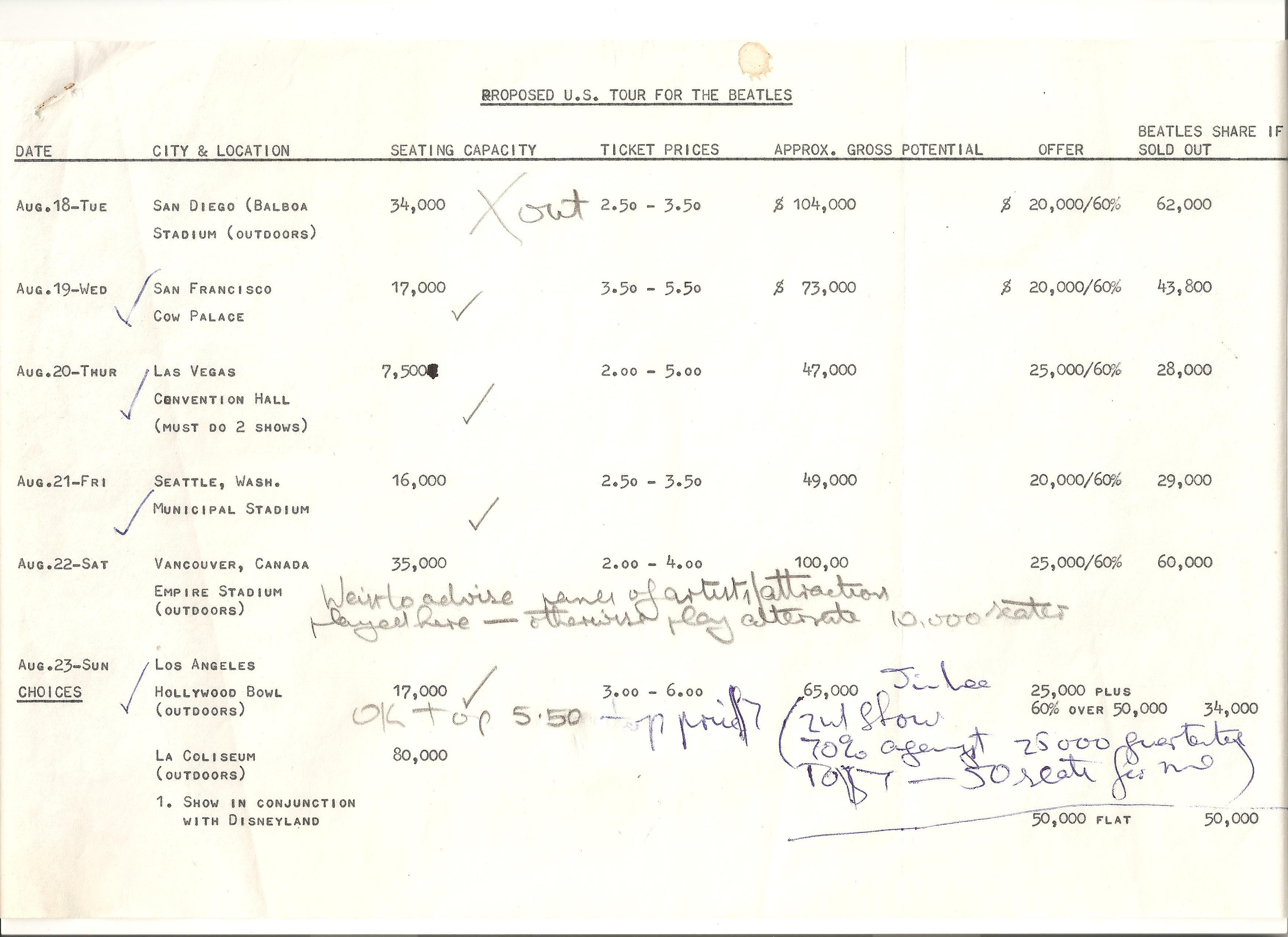
As Beatles manager Brian Epstein considered the many possibilities for where to stage his boys’ first full tour of America, he confidently checked “Las Vegas” as the second stop on the six-week itinerary. In doing so, he bypassed several larger cities in favor of the Strip’s growing allure—and perhaps a bit of curiosity.
By comparison, Las Vegas had a population of just over 64,000 at the time (roughly 125,000 including Clark County), while other stops on the tour—such as Denver and Jacksonville—each had populations exceeding 500,000. Yet since the early 1950s, Las Vegas had been building a reputation as a must-play destination for top entertainers.
Rock and roll, however, had yet to take hold there.
Elvis Presley got the ball rolling when Colonel Tom Parker booked him for a two-week residency at the Frontier Hotel’s Venus Room in the spring of 1956. The shows were met with a cool reception—the city simply wasn’t ready for what was billed as the “Atomic-Powered Singer,” a reference to the nearby nuclear testing grounds.
It’s also possible that the decision for the Beatles to perform in Las Vegas was something of “what came first the chicken or the egg?” type situation.
When GAC presented Epstein with a list of prospective cities, it’s far from certain that a firm deal was already in place for Las Vegas. More likely, the city was included to gauge his interest and GAC could test the rock and roll waters again after the Elvis debacle.
There were clues in the way it was stated in the planning sheet—particularly the insistence on two shows. GAC may have been betting that if Epstein committed to the date, they could secure the necessary arrangements afterward.
By checking August 20 off the list, Epstein didn’t just agree—he called their bluff.
GAC talent agent Roy Gerber—later the inspiration for the character Oscar Madison in Neil Simon’s The Odd Couple—was immediately dispatched to Las Vegas to find a promoter willing to present the Beatles at the city’s largest venue, the Convention Center.
Gerber started at the southern end of the Strip and worked his way north, visiting every major casino. One by one, they passed.
His final stop was the Sahara, at the far northern end of the Strip, where he met with the hotel’s entertainment director, Stan Irwin. Irwin didn’t quite understand the Beatles’ popularity, but as a favor to his old friend, he offered to book them into the Sahara’s 700-seat Congo Room.
Gerber pushed back. The boys from Liverpool, he insisted, were a phenomenon—and far too big for a showroom of that size. Irwin countered by offering his friend two shows. Gerber just shook his head in disbelief.
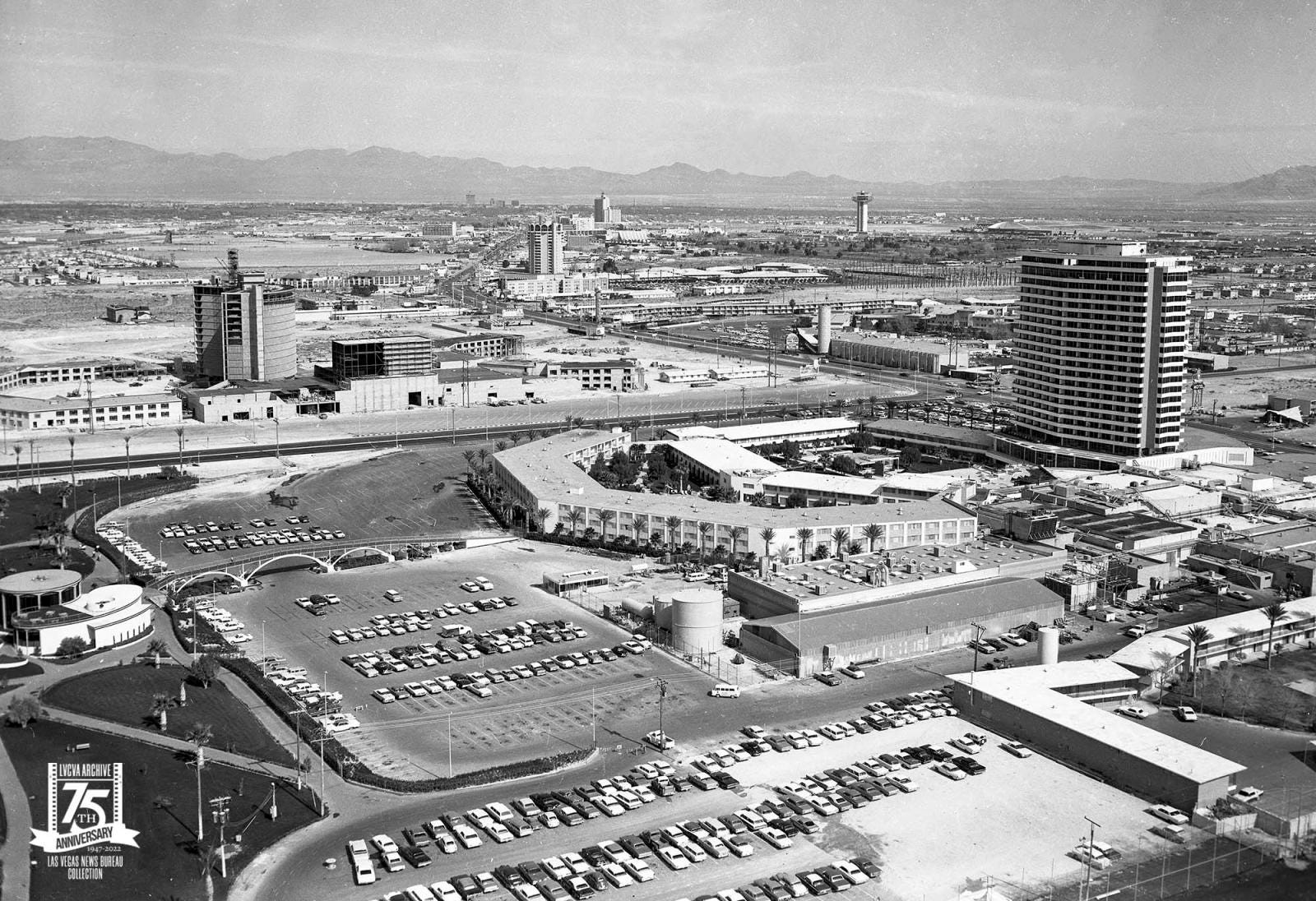
He put Gerber on hold and to get a better sense of what he was dealing with, Irwin reached out to Las Vegas powerbroker Herb McDonald, who happened to be in England at the time. Calling him in the early hours, Irwin urged him to go see the Beatles perform.
McDonald’s response was blunt:
“Stan, I’m not an exterminator. Who are the Beatles?”
Nonetheless, McDonald attended a show—possibly the New Musical Express Poll-Winners’ All-Star Concert at the Empire Pool. What he saw changed his mind completely. The crowds, the energy, the reaction—it was unlike anything he had experienced.
He called Irwin back and gave his approval.
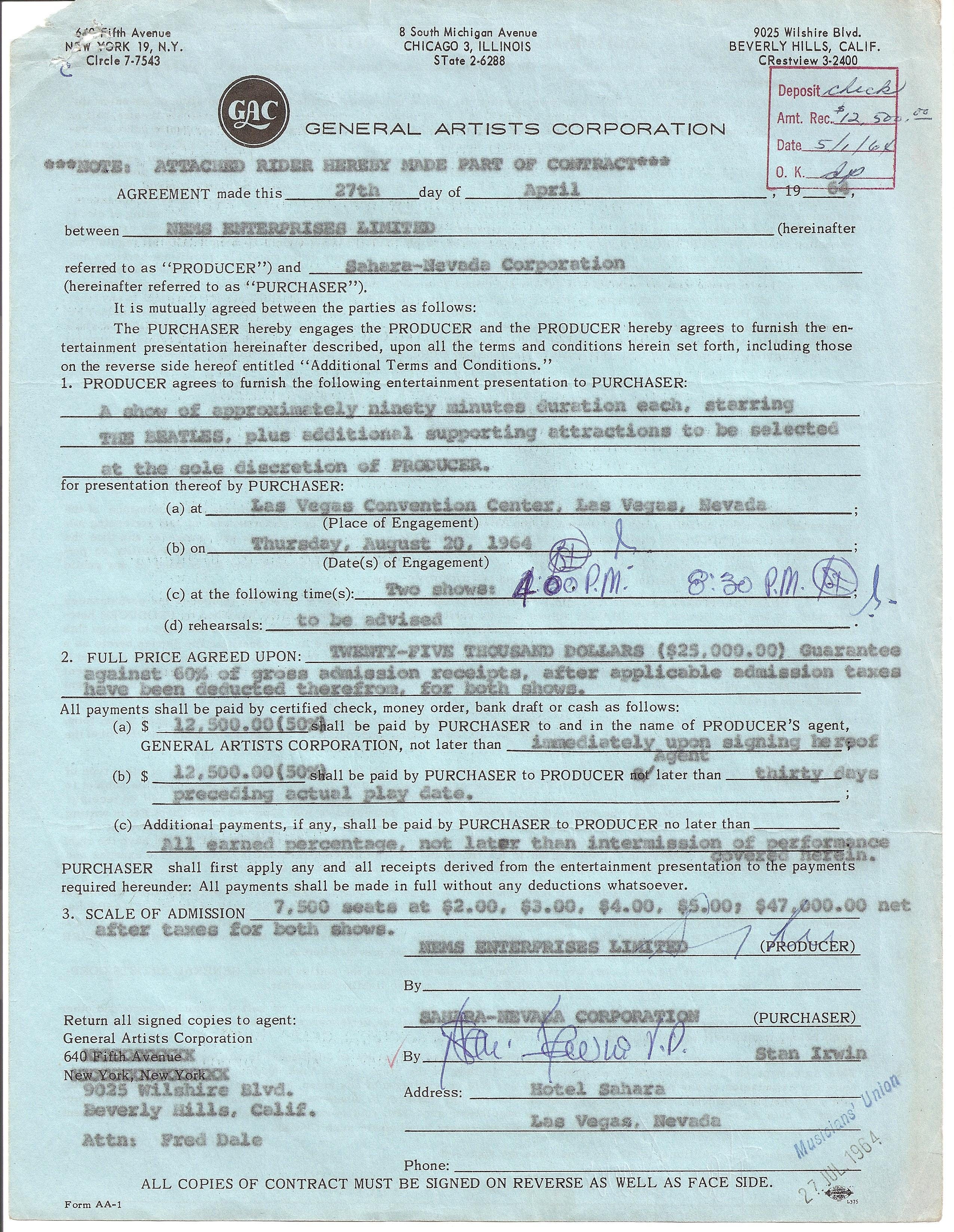
With that, the decision was made. A $25,000 guaranteed appearance fee was agreed to and Irwin now needed to fill not one but two 7,500 seat Convention Center performances and make it a successful event.
Once the Beatles were secured, ticket sales began in earnest—but initially, there was little interest. Irwin knew that The Beatles’ audience didn’t fit the traditional Las Vegas model. The city catered to adults—gamblers, high-rollers, and nightlife seekers—not teenagers.
After giving it some thought, Irwin did what Las Vegas has always done best—he took a gamble.
At the time, Las Vegas operated with a remarkably cooperative spirit. The Hotel Association and the Publicity Directors Association worked together to bring what Irwin called “traffic” into the city, often from Southern California. Competition between resorts took a back seat to a shared goal: promoting Las Vegas as a destination.
As Irwin later explained:
“We all believed that what was good for Vegas was good for the hotel, and what’s good for the hotels is good for Vegas.”
That philosophy still holds today. Las Vegas continues to take the same approach when it hosts major events like the Super Bowl, Formula 1, and the National Finals Rodeo—citywide efforts designed to benefit the entire city.
Years later, Irwin reflected on it simply:
“I just knew it would be a hit to the Sahara, the Strip, and ultimately Las Vegas.”
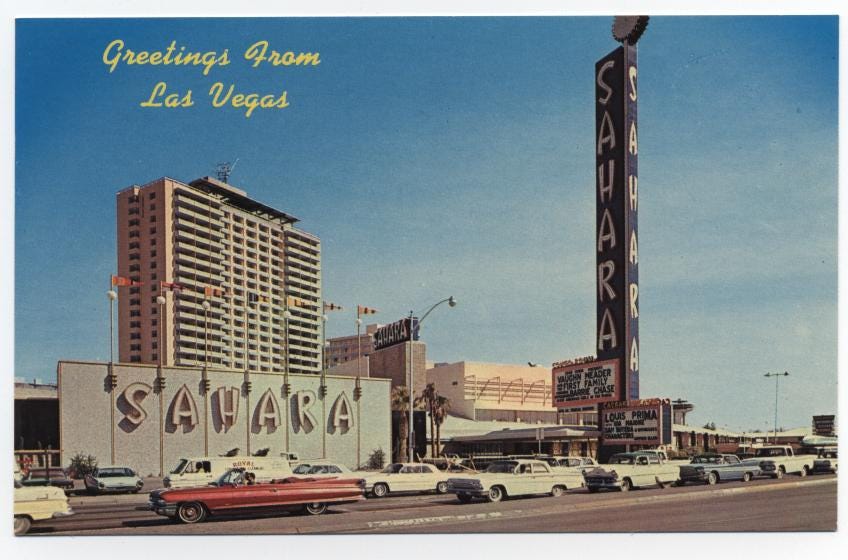
As the month’s progressed towards the concerts, Irwin grew concerned. His contacts at other hotels declined his offers of ticket blocks for their customers, friends, and family.
Worried, Irwin took a more aggressive approach—placing a full-page advertisement in the Los Angeles Times, targeting Las Vegas’s most reliable market: Southern California.
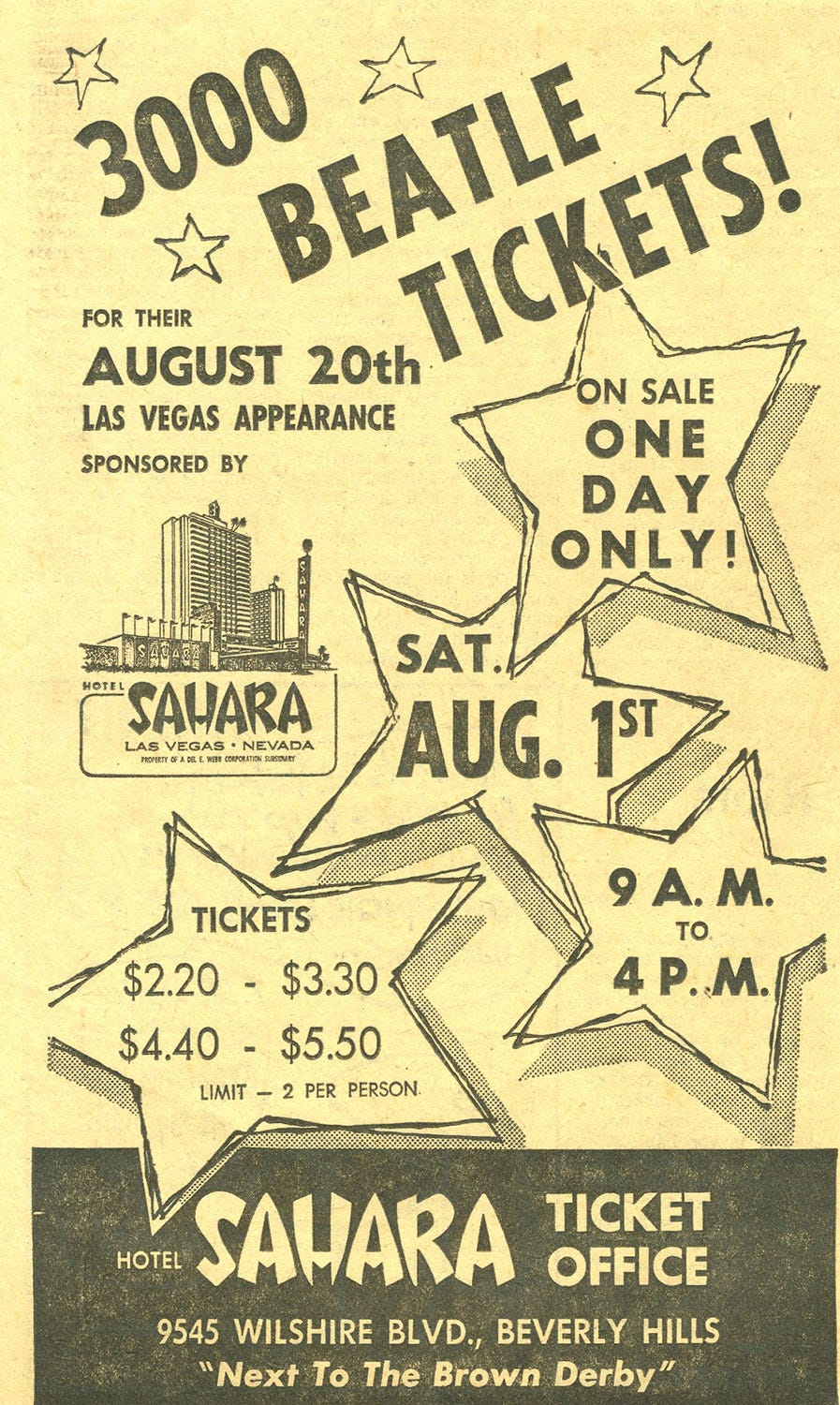
It wasn’t until just a few weeks before the shows that word began to spread—these would be the hottest tickets in town. Hotel managers, pit bosses, and service personnel flooded Irwin’s office requesting seats and a stream of Southern California traffic headed to the desert.
The shows ultimately sold out, and Irwin even managed to squeeze in an additional 500 seats per performance—much to the fire marshal’s chagrin.
In the end, Epstein, the Beatles, Irwin, and the city of Las Vegas all came out winners—a feat not often accomplished in a city built on hunches and lucky guesses.
The question still begs: why did Epstein want to book the band into an emerging entertainment mecca that had initially frowned on rock and roll?
He almost certainly ran it by John, Paul, George, and Ringo when he received the planning sheet from GAC—perhaps even interrupting a recording session, filming for their soon-to-be-released movie, A Hard Day’s Night or after a concert somewhere in the English countryside.
“Listen, boys…we’ve been offered some cities in America—what do you think?”
The simple answer seems clear: Brian and the Beatles wanted to see Las Vegas for themselves—the “desert dug up where casinos stand.” Perhaps there was even a bit of naivety at play, imagining they might sample some of the city’s trappings and decadence. Even today, Las Vegas is considered a must-see destination the world over.
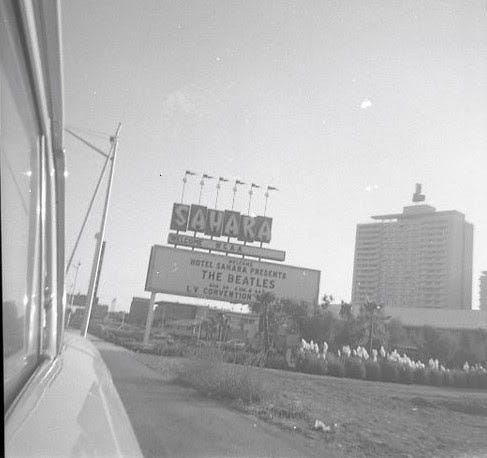
The shows went off as planned, much to Irwin’s—and the city’s—relief. The Beatles delivered, and the crowd—mostly girls—responded as expected: with screams.
Over the years, stories have persisted. Some claim Paul was spotted at the Desert Inn trying his hand at the craps table. I even interviewed a longtime resident who said his father, a casino executive, hosted the group at his home between shows. The Beatles, having forgotten their bathing suits, were reportedly given “tighty-whities” to swim in and even claimed to have pictures.
Stories like these exist for nearly every city they visited in America.
In reality, what the Beatles saw of Las Vegas was limited—the airport, a limousine, a hotel room, and the Convention Center. Their entire visit lasted barely 48 hours before they were on to the next stop: Seattle.
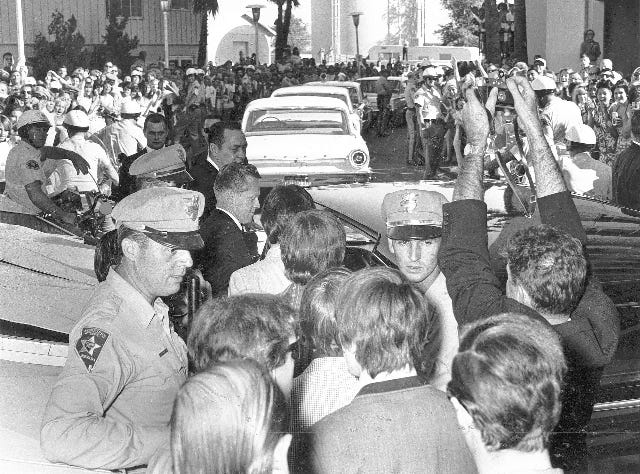
But during their stop in Las Vegas in August 1964, the city saw something it wasn’t quite prepared for-an early glimpse of a cultural force that was still being understood, even as it was happening.
And like so many moments from the Beatles’ touring years, what really happened is far more complex—and far more interesting—than what’s been told over the years. I’ll continue to explore them, and I hope you’ll come along.
Great stories. Would love to know who took the photo out of the car, of the Sahara marquee.
Great reporting Chuck. Thank you for sharing a shared piece of history.